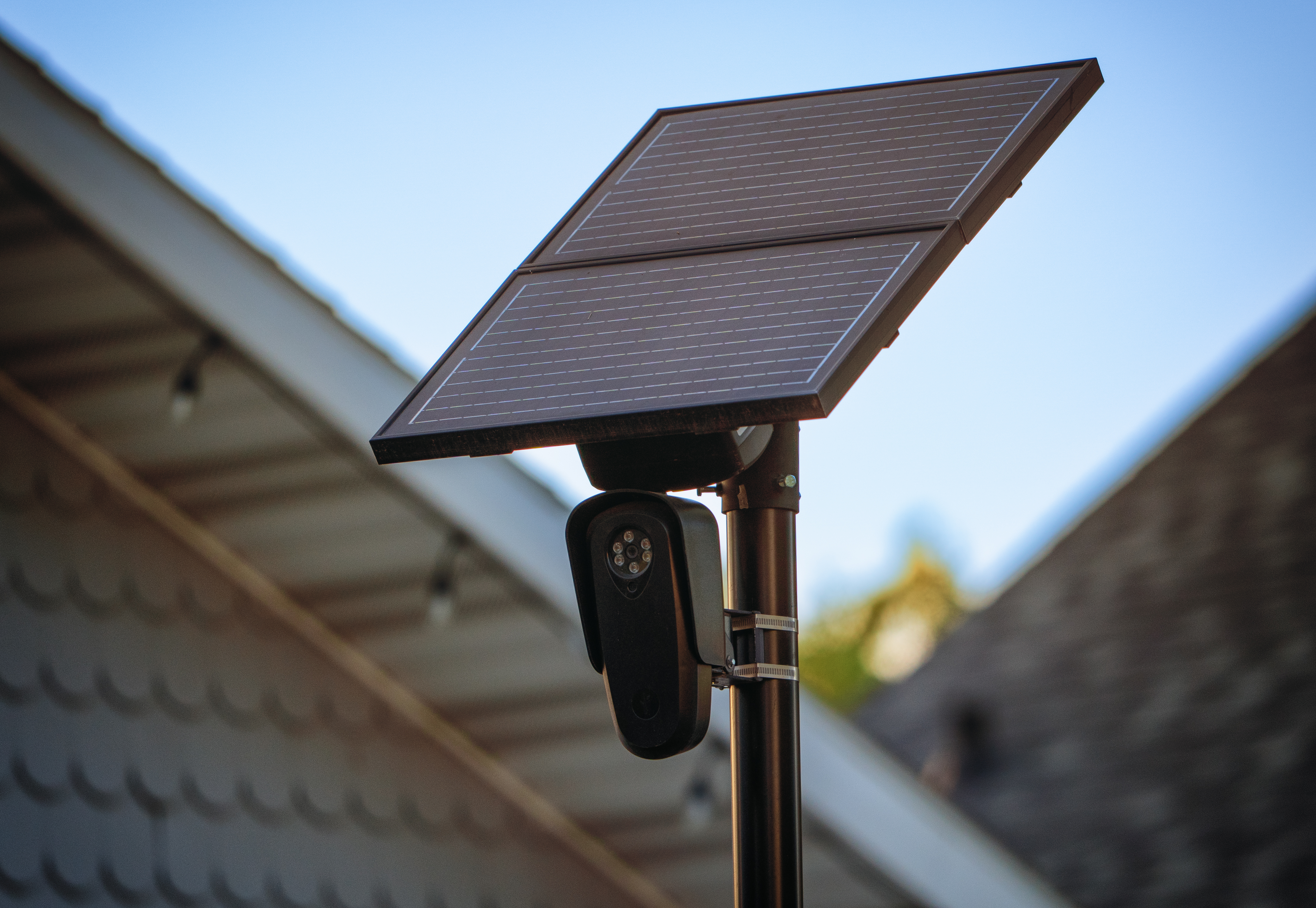
Upper Arlington City Council adjourned Monday, Oct. 12, without voting on proposed safeguards for the city's 20 Flock license plate reader cameras. The debate lasted nearly two hours.
The discussion is expected to continue at the Nov. 9 council meeting, a city spokesperson told ABC6/FOX28, first reported by ABC6.
Among the proposals on the table: a rule that would require judicial approval before officers could search Flock data older than nine days. Officers would fill out a form to request that approval.
Upper Arlington Police told council members the cameras are a key tool in solving crimes. In an August statement to NBC4, the department said the system had assisted in more than 200 investigations since the start of 2026 and that audits had found no evidence that federal immigration enforcement agencies improperly accessed or used the data.
One resident who spoke at the meeting framed the debate in broader terms. "The issue is about the collection, processing and use of data gathered through surveillance networks operating by a for profit company," the resident said.
ABC6 reported that the city declined an interview request, saying it would be premature to make a formal statement while conversations with residents and community groups continue.
What the contract says
Upper Arlington's Flock contract runs five years, from 2024 through 2029, covering all 20 cameras at $54,500 per year after the first year. The agreement allows the city to terminate with 30 days' written notice if funding is not appropriated, without penalty.
Council members discussed the risk that Flock Safety could challenge an early termination. If the company prevailed, the city could owe roughly $50,000 for each year remaining on the deal.
Neighboring cities have already acted
Upper Arlington is not alone. Several Central Ohio cities have moved on their own Flock contracts.
Hilliard City Council voted unanimously on Sept. 14 to pause its Flock contract.
Worthington City Council voted 6-1 on Sept. 21 to keep its cameras active but ordered police to stop sharing data with any other law enforcement agency.
Upper Arlington's next step is the Nov. 9 council meeting, where city leaders plan to continue talking with residents and community groups about their concerns.