Upper Arlington residents can now see exactly how the city's automated license plate reader cameras operate, what data they collect, and what rules govern their use.
The Upper Arlington Police Division launched its Flock Camera Safety Transparency Portal on July 30, giving the public access to department policies, usage statistics, and privacy safeguards tied to the division's Flock Safety camera network.
What the cameras do
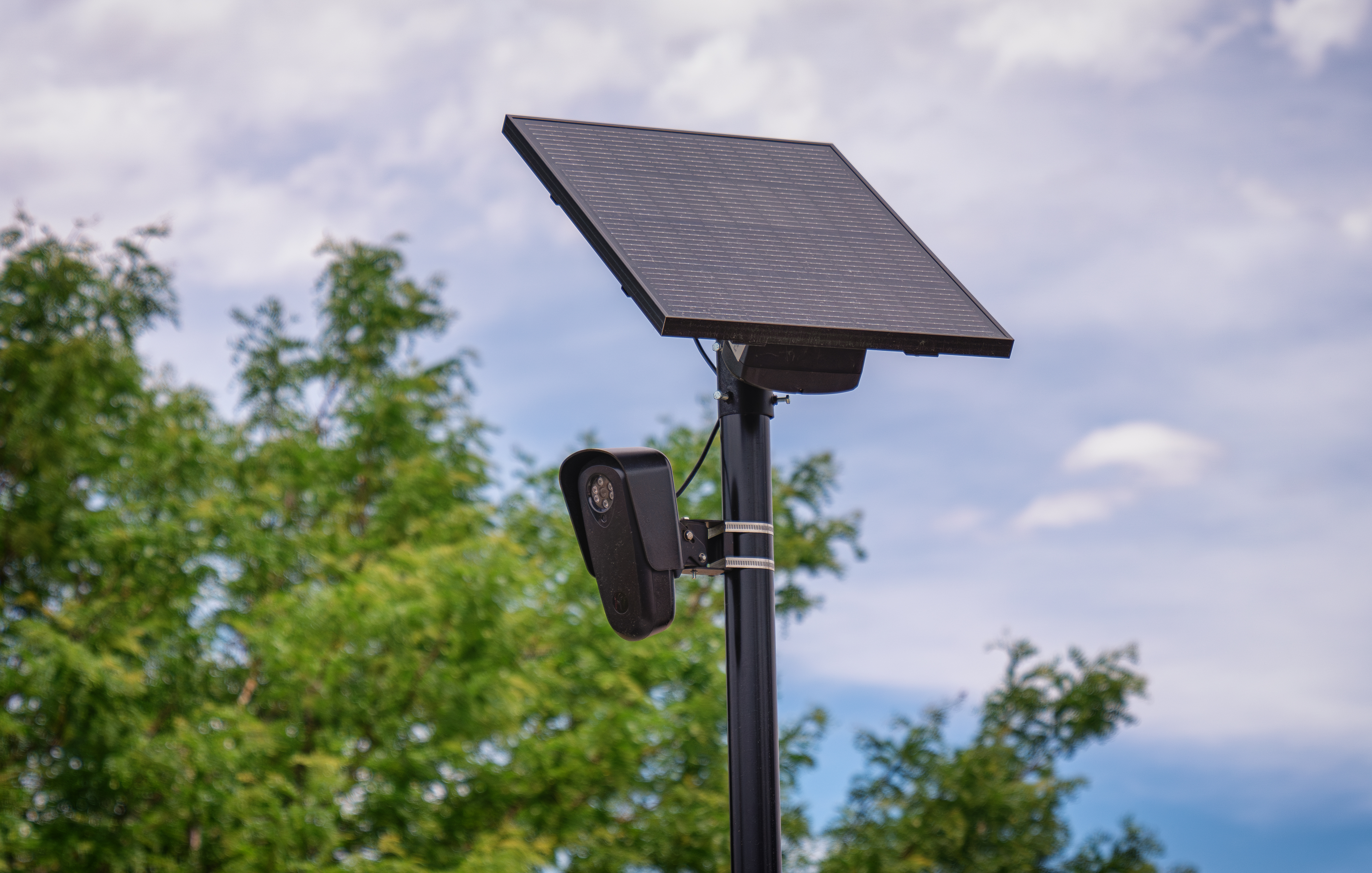
Flock Safety cameras capture license plate numbers and vehicle characteristics like make, model, color, and distinguishing features as cars pass fixed points on public roadways. Each camera read is a single snapshot at a fixed point. The system can alert officers in real time when a plate matches a law enforcement hotlist, such as a stolen vehicle or one connected to a wanted person.
The division said the cameras do not use facial recognition and are not intended to monitor where residents travel. Officers access the data only for authorized law enforcement purposes, the city said in its July 30 announcement.
Data retention and sharing
Under Flock Safety's default policy, all captured plate data is encrypted and automatically hard-deleted after 30 days. Whether Upper Arlington uses that 30-day default or a different contractual term is not specified in the city's announcement.
Data sharing with other law enforcement agencies is opt-in and controlled by the local department. By default, agencies are not enrolled in any sharing relationship, according to Flock Safety's published evidence policy. The company states it does not work with federal agencies for immigration enforcement.
Accountability features
Officers searching the system must enter reason codes for each query, creating an audit trail. The portal makes usage statistics publicly visible, though the specific number of cameras deployed in Upper Arlington is not listed in available materials.
Regional context
The launch comes days after Columbus police stood up their own Flock transparency portal around July 25, according to NBC4. Columbus acted amid scrutiny over a July 10 audit that found 15,577 possible immigration-related searches in its Flock network since 2024. Columbus City Council scheduled a public hearing on the technology for Aug. 10.
Columbus Police Deputy Chief Tim Myers defended the cameras on July 15, saying a 4-year-old girl was reunited with her mother and a homicide was solved "directly because of the use of this technology."
Upper Arlington's announcement did not reference the Columbus controversy. No public hearing or council review of the ALPR program has been scheduled in Upper Arlington.
Residents can review the division's full policies at transparency.flocksafety.com/upper-arlington-oh-pd.